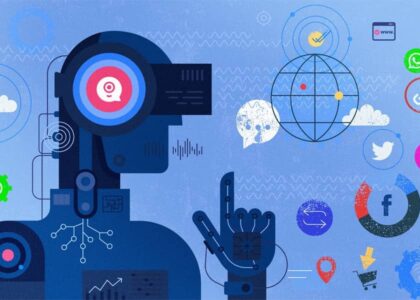

Artificial intelligence is transforming the digital marketing industry. From generating content and analyzing data to optimizing advertising campaigns, AI tools are helping businesses complete marketing tasks faster and more efficiently.
But this raises an important question: Will AI replace digital marketers in 2026?
The short answer is no—not entirely. AI is changing how digital marketers work, automating certain repetitive tasks while creating new opportunities for strategy, creativity, and data-driven decision-making.
Businesses still need professionals who understand customer behavior, build brand trust, develop effective campaigns, and turn marketing insights into measurable business results.
In this article, we’ll explore how AI is changing digital marketing, which tasks it can automate, and why human expertise remains important for long-term business growth.
What Is the Role of AI in Digital Marketing?
AI in digital marketing involves using artificial intelligence to support tasks such as content creation, audience analysis, campaign optimization, customer communication, and performance reporting.
Modern AI tools can help marketers:
- Generate content ideas and first drafts
- Analyze marketing data
- Identify audience trends
- Assist with keyword research
- Develop advertising copy
- Personalize customer communication
- Automate repetitive workflows
- Summarize campaign performance
These capabilities can improve productivity and help marketing teams make better use of their time.
However, AI tools still require clear objectives, reliable data, human oversight, and strategic direction to produce useful results.
Will AI Replace Digital Marketers?
AI is more likely to transform digital marketing jobs than eliminate the need for digital marketing professionals altogether.
Many marketing tasks can be automated or accelerated, but successful marketing involves more than generating content or analyzing numbers.
Businesses need people who can understand their customers, define brand positioning, allocate budgets, evaluate risks, develop creative campaigns, and make decisions based on real business goals.
For example, an AI tool might suggest advertising headlines, but a marketer must determine whether those headlines appeal to the intended audience, align with the brand, comply with advertising policies, and generate profitable results.
The future belongs to marketers who know how to combine AI capabilities with human creativity, strategic thinking, and marketing expertise.
7 Ways AI Is Changing Digital Marketing
1. AI Is Transforming Search Engine Optimization (SEO)
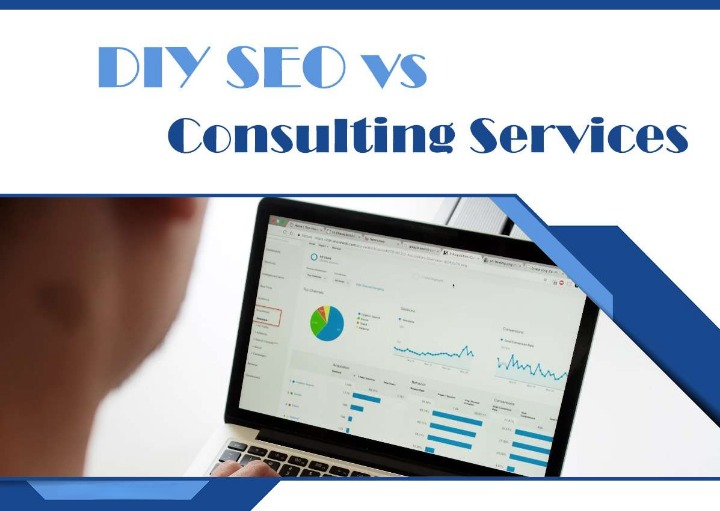
AI tools can assist with keyword brainstorming, content planning, search intent analysis, and identifying potential content opportunities.
Marketers can use AI to develop article outlines, improve readability, and organize related topics into content clusters.
AI-powered search experiences are also changing how people discover information online.
However, SEO still requires technical expertise, competitive research, high-quality content, website optimization, and ongoing performance analysis.
Human marketers remain essential for building a sustainable SEO strategy and ensuring content meets real user needs.
2. AI Is Making Content Creation Faster
AI writing tools can help generate blog outlines, social media captions, email drafts, video scripts, and website copy.
This can reduce the time needed to produce an initial draft and help teams explore more creative ideas.
However, automatically generated content may contain factual errors, repetitive information, or generic recommendations.
Digital marketers must review, edit, and improve AI-assisted content by adding original insights, verified information, and a distinctive brand voice.
3. AI Is Improving Paid Advertising
AI is increasingly used in advertising platforms to support bidding, audience optimization, creative testing, and campaign delivery.
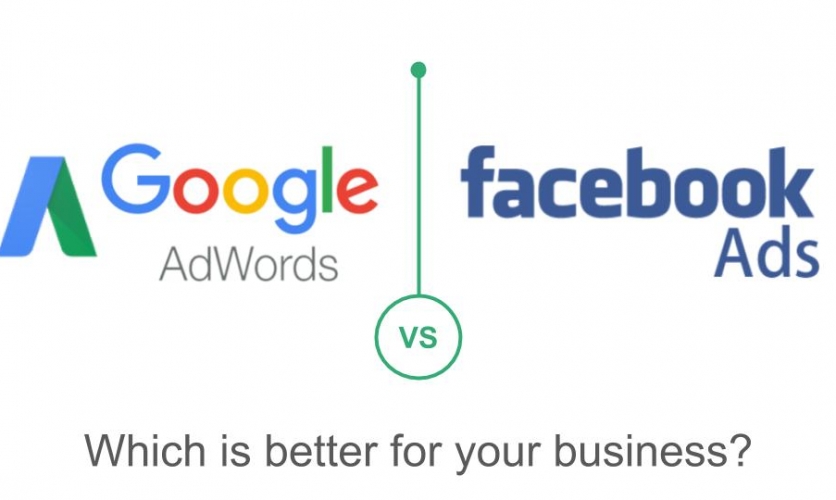
For example, Google Ads and Meta Ads offer automated features that can help advertisers optimize campaigns toward selected objectives.
Digital marketers still need to establish campaign goals, understand customer acquisition costs, develop strong offers, manage budgets, and evaluate performance.
Automation can support campaign management, but it does not guarantee profitable advertising results.
4. AI Is Changing Social Media Marketing
AI can help marketers brainstorm social media ideas, create captions, develop content calendars, and adapt messages for different platforms.
It can also assist with analyzing engagement trends and identifying content that deserves further investigation.
However, effective social media marketing depends on understanding audience interests, cultural context, brand personality, and community relationships.
Human creativity and judgment remain important for creating authentic communication and building long-term audience trust.
5. AI Is Improving Marketing Analytics
Marketing analytics helps businesses understand which activities contribute to website traffic, leads, sales, and customer retention.
AI tools can help summarize large datasets, identify patterns, and suggest areas for further investigation.
Marketers must still verify the findings, understand attribution limitations, and distinguish correlation from causation.
The real value comes from turning data into informed decisions—not simply generating automated reports.
6. AI Is Supporting Personalized Marketing
Businesses can use AI-assisted systems to organize customer segments, tailor messaging, and deliver more relevant marketing experiences.
For example, an online store might recommend products based on a customer’s browsing or purchase history, subject to appropriate privacy and consent requirements.
Marketers must ensure personalization is useful, respectful, accurate, and compliant with applicable data protection rules.
Understanding customer expectations remains essential to creating meaningful experiences.
7. AI Is Automating Repetitive Marketing Tasks
AI and automation can reduce the time spent on routine activities such as drafting reports, organizing content ideas, categorizing inquiries, and preparing email variations.
This gives marketers more opportunities to focus on strategy, creativity, customer relationships, and campaign improvement.
The strongest results occur when businesses automate suitable tasks while maintaining human oversight for important decisions.
AI vs. Human Digital Marketers: What’s the Difference?
AI tools and human marketers offer different strengths. They are most effective when used together.
| AI Tools | Human Digital Marketers |
|---|---|
| Generate ideas and drafts quickly | Develop original strategies and creative direction |
| Process and summarize large datasets | Interpret results in a business context |
| Assist with repetitive tasks | Manage priorities and complex decisions |
| Suggest audience segments | Understand customer motivations and nuances |
| Produce multiple content variations | Maintain brand identity and authenticity |
| Support campaign optimization | Make strategic budget and business decisions |
AI can increase efficiency, while human expertise provides context, judgment, accountability, and direction.
Which Digital Marketing Jobs Are Most Affected by AI?
AI is likely to affect tasks differently depending on the role and how much of its work is repetitive or standardized.
Content Writers and SEO Specialists
AI can speed up research assistance, outlining, drafting, and basic on-page optimization. Writers and SEO specialists can focus more on original research, editorial quality, technical issues, and content strategy.
Social Media Managers
AI can assist with caption writing, scheduling workflows, and idea generation. Social media managers can spend more time on brand strategy, community engagement, and creative planning.
PPC and Performance Marketers
Automation can handle parts of bidding and campaign delivery. Performance marketers still need to manage strategy, budgets, creative testing, measurement, and business profitability.
Email Marketing Specialists
AI can assist with subject lines, email drafts, segmentation ideas, and workflow planning. Specialists remain responsible for customer experience, campaign strategy, testing, and compliance.
The impact will vary by company, industry, role, and the capabilities of the tools being used.
Skills Digital Marketers Need in the AI Era
To remain competitive, digital marketers should develop a combination of AI skills and core marketing capabilities.
1. AI tool proficiency: Learn to use AI tools for research, brainstorming, drafting, and workflow automation.
2. SEO and AI search knowledge: Understand traditional SEO fundamentals and how AI-powered search experiences are evolving.
3. Data analysis: Learn to interpret analytics, identify meaningful trends, and evaluate campaign performance.
4. Content strategy: Develop skills in audience research, storytelling, editing, and original content creation.
5. Performance marketing: Understand paid advertising, conversion tracking, customer acquisition costs, and return on ad spend.
6. Critical thinking: Verify AI-generated information and evaluate recommendations before implementation.
7. Communication and creativity: Build strong messaging, understand customer needs, and develop compelling brand experiences.
8. Strategic decision-making: Connect marketing activities to business goals, budgets, and measurable outcomes.
These skills help marketers use AI effectively rather than rely on it blindly.
How Businesses Can Use AI Without Losing the Human Touch
Businesses do not need to choose between AI and human expertise. A balanced approach can combine efficiency with quality and customer trust.
Here are five practical recommendations:
- Start with clear goals: Identify which marketing challenges you want AI to help solve.
- Automate appropriate tasks: Begin with repetitive, low-risk activities such as drafting and reporting.
- Review AI-generated work: Check accuracy, originality, tone, and compliance before publishing.
- Protect customer information: Use approved tools and follow relevant privacy and data protection requirements.
- Measure the results: Compare performance before and after implementing AI-assisted workflows.
AI should support your marketing strategy, not become the strategy itself.
Can Small Businesses Benefit From AI Marketing?
Yes. AI tools can help small businesses manage marketing tasks with limited time and resources.
For example, a small business could use AI to brainstorm blog topics, draft social media posts, prepare email campaigns, and organize advertising ideas.
However, tools alone will not solve problems such as poor positioning, an unclear offer, weak customer research, or an ineffective sales process.
Small businesses should combine AI-assisted workflows with a clear marketing strategy and reliable performance measurement.
The Future of Digital Marketing: AI and Human Collaboration
The future of digital marketing will likely involve closer collaboration between AI tools and marketing professionals.
As AI capabilities develop, marketers may spend less time on certain repetitive tasks and more time on strategy, experimentation, customer experience, and creative problem-solving.
New responsibilities may also emerge around AI workflow design, content quality, automation, and visibility across changing search platforms.
Rather than trying to compete with AI at every task, digital marketers should learn where AI provides value and where human judgment is essential.
AI may change the way marketing gets done, but businesses will continue to need effective strategies that attract customers and generate results.
How Creobees Helps Businesses Grow in the AI Era
At Creobees, we help businesses build a stronger digital presence through SEO, social media marketing, PPC advertising, content marketing, and data-driven digital marketing strategies.
We focus on understanding your audience, identifying growth opportunities, improving online visibility, and developing marketing campaigns aligned with your business objectives.
By combining modern marketing tools with strategic thinking and customer-focused execution, businesses can adapt to changing digital trends while maintaining a strong connection with their audience.
Ready to Grow Your Business With Smarter Digital Marketing?
AI is changing the industry. Make sure your business has a strategy that keeps moving forward.
Contact Creobees today to explore digital marketing solutions tailored to your business goals.